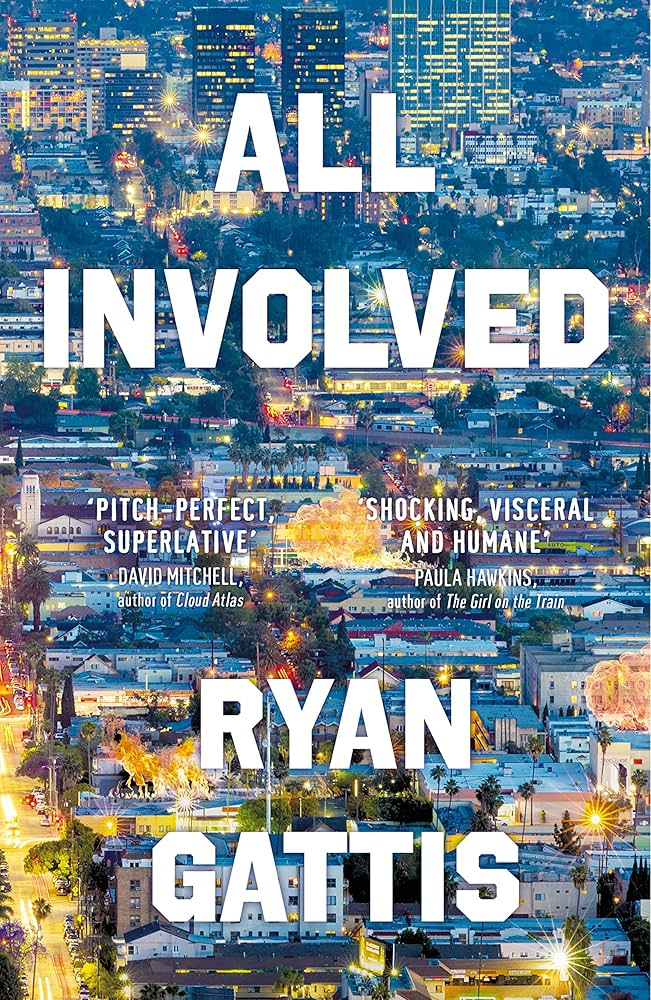
All Involved by Ryan Gattis

Holy shit, I’m learning a lot whilst doing this blog. Today, whilst doing my usual Goodreads look at what others think about this book (I really don’t know whether it can be considered research or whether I’m now genuinely just looking for people to take the piss out of), I learned about ‘#ownvoices’. Now, I’d not heard of this before but Denise let me in on it with this:

“Book has 17 different POV’s. All of them diverse and most of them dark, raw and hideous. It matters that the author is a white male from Colorado. To be fair my reading experience may have been different a couple of years ago. I would have still found it raw, gritty and disturbingly violent, but now I am concerned about #ownvoices”. Which Google AI explained to me means this:

“OwnVoices is a movement that emphasizes the importance of authors writing about stories that align with their own lived experiences and identities, particularly marginalized ones. It highlights the authenticity and credibility of narratives when authors have a personal connection to the characters and issues they represent”.

I’m not going to add anything new or particularly earth-shattering to the actual debate (and whether I agree with it or not is largely irrelevant). However, my issue is with Denise’s comment “my reading experience may have been different a couple of years ago”. Why? Why does it matter who wrote the book? And if we start taking the stance that a book should only be written by someone who has the relevant life experience, then where the fuck does that leave us? Can a white writer not include a black character? Can a straight black writer not write about a gay Asian? Please explain to me what is wrong with someone taking time to learn about a subject in order to write about it? I’m pretty sure Ryan Gattis didn’t just make all this up? His research must have been pretty staggering and I think – in all his books – his characters are so well-rounded and very much real. In fact, if I hadn’t stumbled across ‘#Ownvoices’ I wouldn’t have questioned the authenticity of this book at all.

This book is fantastic and everyone should read it. Which is what I will also say about Safe and The System whenever I get around to adding them here. Ryan Gattis is an awesome writer.
Green River Rising by Tim Willocks

I’m not entirely sure when I read this so I’m going to assume it was the year it came out, 1994. Man, 1994…the year of the first Playstation and the year Kurt Cobain died. The first U.K. National Lottery was this year too, and having wasted more money only last night on trying to bag the £200m Euromillions, my lottery luck hasn’t changed at all since 1994. I swear it’s rigged.

On the book front, Nelson Mandela’s Long Walk To Freedom was published along with – more significantly, for me anyway – Volume 1 of Mike Mignola’s Hellboy. An utter classic. Other books published that year: Cormac McCarthy’s The Crossing, Tom Clancy’s Debt of Honor and Denis Lehane’s A Drink Before The War, which I actually read last year and loved. If you ask Goodreads to show you the top 200 books of 1994, Green River Rising isn’t on the list. And this is a list that has (albeit scraping in at number 196) a book entitled “When God Writes Your Love Story: The Ultimate Approach to Guy/Girl Relationships”. A book that I ought never read for fear of breaking my promise to keep this blog negative-free.

My point (if I even have one) is that Green River Rising, for me, was one of the best things of 1994 and although I haven’t read it since (I’m hoping to very soon) I’d imagine it will still be one of the best things of any year. A great book.

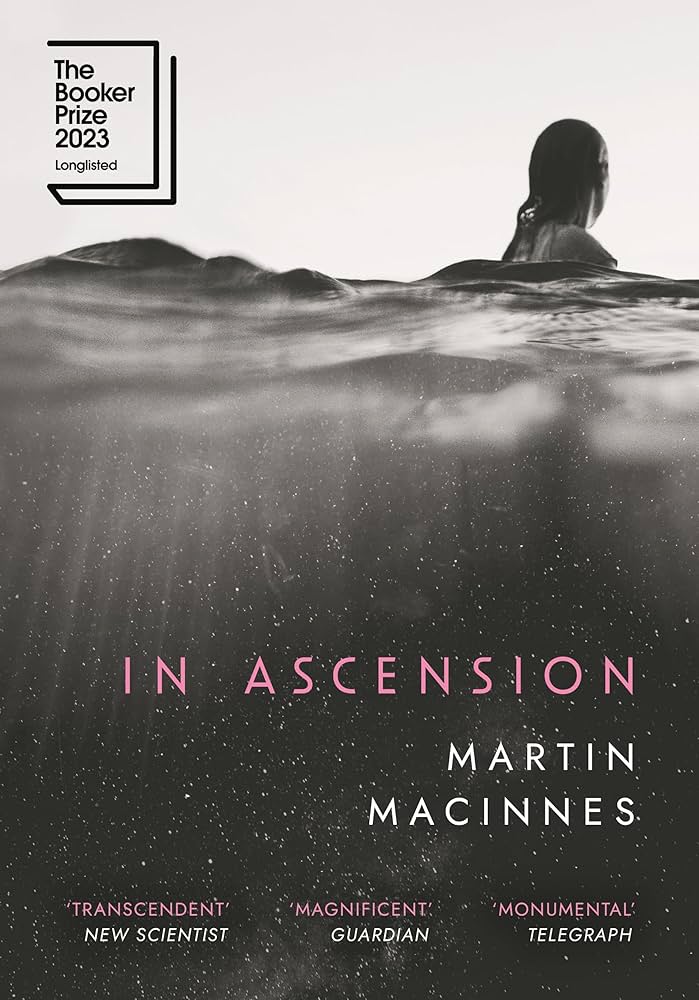
In Ascension by Martin MacInnes

You ever read a book where every word feels important? Not just well thought out or well written, but actually critical to the story in a way that kind of carries a gargantuan weight. That’s what Martin MacInnes does. Across all three books he’s written he has a way of writing that is not just addictive in terms of the prose and the beauty of reading but somehow it’s as if every single word is of vital significance.

Unlike me, as I clearly can’t even explain why I like something. Good job I don’t do this book review (not that these are reviews) shit for a living. I’d have been sacked long ago.

I loved MacInnes’ first two books but this felt like a real step up and I think of it within a bracket of books I’ve read that have something cerebral, wondrous and magical about them. Very much looking forward to book no.4.

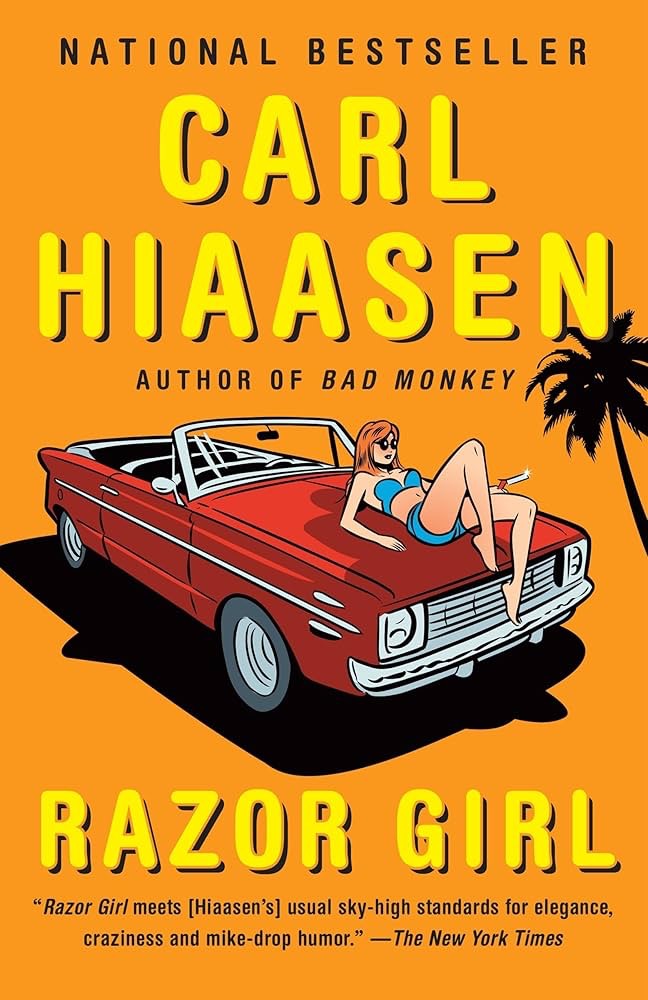
Razor Girl by Carl Hiaasen

I feel like I’m starting to judge these forays into the Goodreads 1-starrers pretty well now. Surely no one can have a bad word to say about this baby? But yes…yes they can.

Kristin got to 70% before calling it quits. You’re so close Kristin and have come such a long way. I get quitting a book early because it’s just not working but why read 70% of a book you clearly hated?

Vio commented “I’m so tired of florida man humor”. Can’t help but think Carl Hiaasen is bearing the brunt of Vio’s failed Floridian relationships here. Hey Vio, it’s not Carl’s fault…

Liz gave us the cryptic, anti-American “Too American, too brash, too strange compared to my life. And it wasn’t”. And it wasn’t what? Don’t leave us hanging Liz.

Clare minced no words at all by simply stating “hate.”. No capital H but a full stop. Curious grammar.

My favourite though is from Sandy, with the insightful “Written by a man, edited by a man…obviously knows zero about shaving pubs” (sic). I don’t even know where to start with this one but if you’re going to knock the editorial work then at least get your own right.

I love Carl Hiaasen’s books and, in particular, his sense of humour. He is one funny man and I laughed out loud so much throughout this novel (as I do with all his books). Hilarious, sharp, stupid, entertaining, very easy to read. What’s not to like?

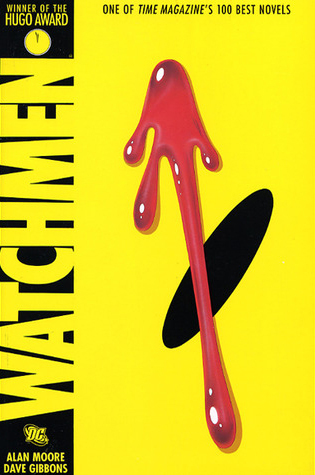
Watchmen by Alan Moore and Dave Gibbons

I’d imagine I don’t have to say too much about this by way of an introduction but just in case you haven’t heard of it, it’s essentially the greatest graphic novel ever written and even if you’re not into graphic novels, comics, superheroes, you should just forget all about that and read this. The story is top notch, the ‘superheroes’ are all great and well thought out (Rorschach is one of the best and most intriguing characters I’ve read in ANY book and Doctor Manhattan’s powers are beyond anything you’ll read in the rest of DC or Marvel) and even the story-within-the-story Tales of the Black Freighter is awesome and just adds to the overall package.

Without doubt one of the best novels I’ve read. I’d heartily recommend reading the hardback deluxe edition which features sketches and bonus material.

Just as an aside…contrary to most Watchmen fanboys (and Alan Moore himself) I personally thought Zack Snyder’s film adaptation of this was amazing and really faithful to the look and feel of the novel. And the TV series of the same name, albeit with a different story but set in the Watchmen ‘world’ is also brilliant and well worth checking out.

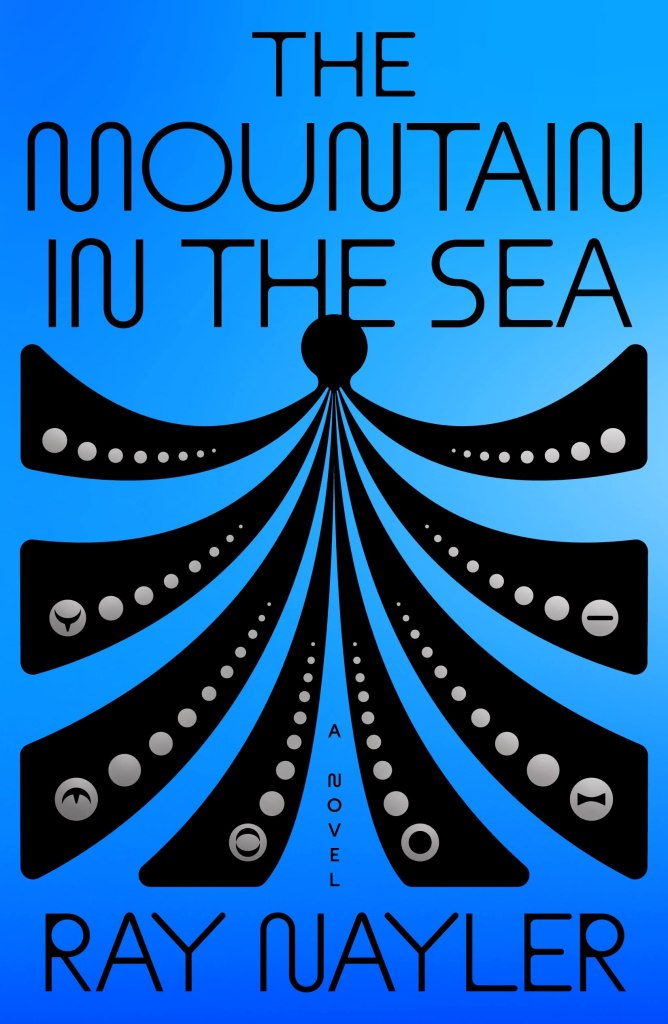
The Mountain in the Sea by Ray Nayler

My 20-year old self was a bit of a twat. In fact, probably anything from 10 or 11 onwards up until well into my thirties (some may argue a lot later) I would proffer I was a bit of a dick. Not that I exactly have life figured out now – absolutely far from it – but aside from my daughter, a few life events and time spent with my now-fiancee, there’s no rose-tinted spectacles when I reminisce. And that extended to my reading habits. I was very narrow-minded in terms of stuff I’d read. Unlike now where I actively search out new authors and stories and love finding something different, back then I’d read the same sort of thing by the same sort of authors. I reckon if someone had read the above premise to me and suggested I read it I’d have rolled around laughing. Like I said, bit of a twat.

So, whilst I’m sure I have a lot of twat left in me, I like to think I’ve broadened a few things in terms of my reading and that’s allowed me to find beauties like The Mountain in the Sea. In many ways, it reminded me of a Richard Powers book; intelligent, thought-provoking, fantastic ideas, so massively enjoyable. I’m not the sharpest tool in the box so any book where I’m learning while I’m enjoying a story is a literary perfect storm to me.

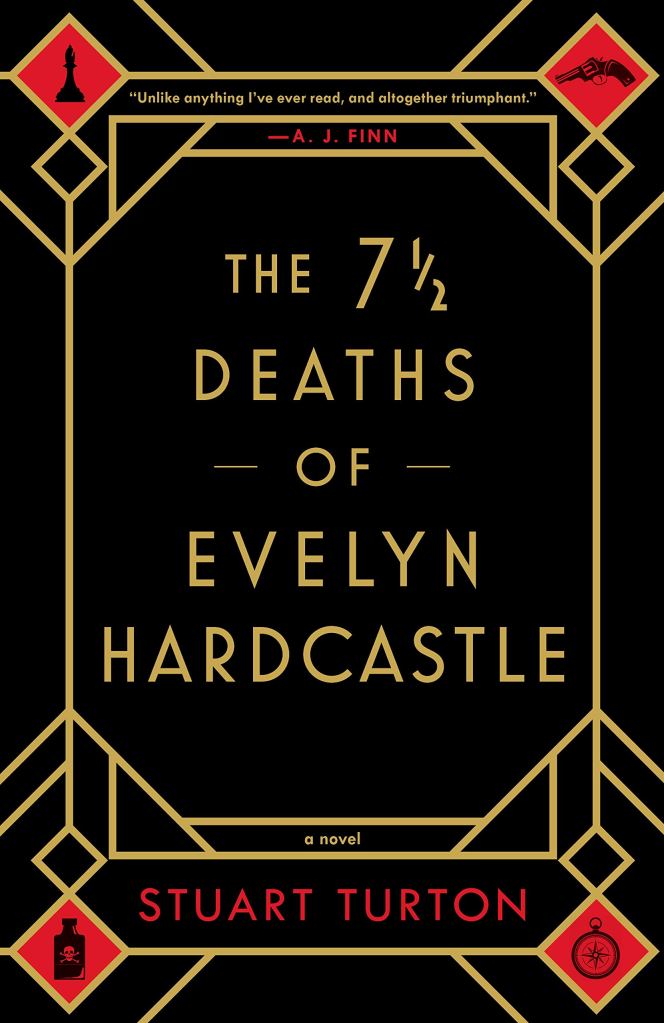
The 7 ½ Deaths of Evelyn Hardcastle by Stuart Turton

Here’s another one. Another book with such a great premise that you wished you’d thought of it yourself. It’s kind of like Groundhog Day meets Quantum Leap meets Freaky Friday meets Miss Marple. What a film that would be. And what a book this is. I read somewhere that it took Stuart Turton three months to plan out the book on a huge spreadsheet where he detailed every two minutes of every character’s day and their location in the house at each point and when you read the book you can easily understand why he needed to do this.

This is literally a book to get lost in; a book that needs 100% of your attention every time you pick it up as the term ‘labyrinthine plotting’ doesn’t even begin to describe it. The real genius, however, is that Mr. Turton pulls it off with aplomb. Absolutely perfect reading escapism.

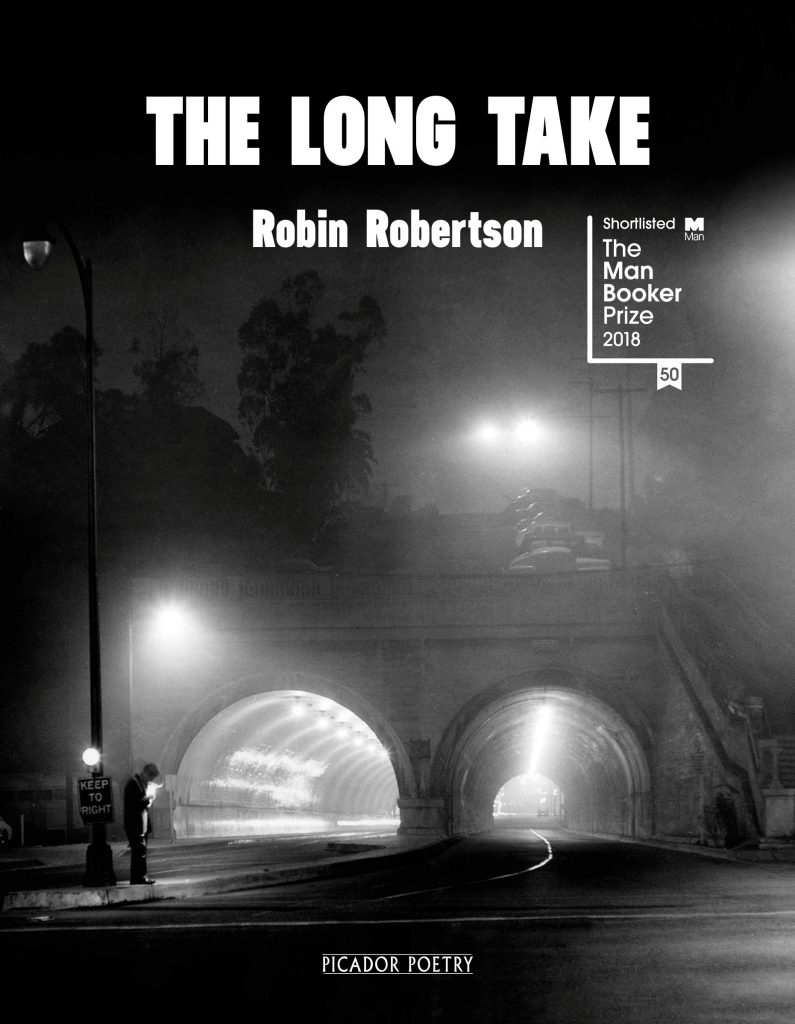
The Long Take by Robin Robertson

I have a thing for poetry, albeit an annoyingly fleeting one that comes and goes every few years. For example, around five years ago I decided to start a poetry blog containing a few poems I’d written and was writing at the time for no reason whatsoever. So I did this – https://davegoldingpoetry.wordpress.com/ – and have done nothing more with it since. A true artist…

Similarly, I haven’t read any poetry since reading this book and now I’m talking about it here I can’t understand why I don’t do more of both. There’s something pretty magical about stories being told through poetry and The Long take is a fantastic example of that. Note to self (which I hope to remember and do a lot more with than my poetry blog): find more of this stuff out there and enjoy.

A Brief History of Seven Killings by Marlon James

I know I said I’d never write anything negative on here but in my defence, this isn’t about books. And it’s very difficult to sustain a holier-than-thou stance across so many posts before my natural childishly sarcastic tendencies kick in. Anyway, I hate reggae music. Well, hate is a strong word. But if I’m ever jailed at Guantanamo then my captors should eschew Megadeth and Slayer, plop a red, green and yellow bobble hat on my head and torture me with Jimmy Cliff and Aswad. I’d turn snitch and spill the beans on everyone.

What I do like, however, is a fictional story based around factual events and containing real-life characters (see American Tabloid for the ultimate example of this). Particularly when there’s an air of the unknown around the specific details. I love the speculative aspect of it. The ‘this-could-easily-be-the-truth-you-know’ of it. The idea that you’re somehow learning something additional about a piece of history, whether it’s ultimately true or not.

This book, very much like American Tabloid, is pretty mind-blowing in terms of its scope and ambition and what it ultimately achieves. It’s the sort of book that leaves you so grateful that people as smart and eloquent as Marlon James are out there and devote so much of their time to writing something as breathtaking and gargantuan as this.

Oh, and it’s the 2018 Portland Award winner. ‘Nuff said.

Dark Matter by Michelle Paver

I reckon horror is the toughest genre to write. That is, if you’re writing horror to scare people that is, rather than shock them. Any idiot can write something down that shocks people and nowadays violence is pretty much everywhere so to really shock with brutality and gore you have to go to extreme extremes, but to properly scare (or at the very least, make someone feel uneasy) with words alone is a toughie. Michelle Paver without doubt knows how to do that and, for me, Dark Matter is still her best book. Beautifully written, completely absorbing and is genuinely unsettling throughout.